
Why this Utah park offers everything Arches promises (and more) with 90% fewer crowds
Most van lifers heading to Utah’s “Big 5” national parks end up frustrated. They circle packed parking lots at Arches, pay premium prices for camping near Zion, and spend more time managing crowds than enjoying landscapes. Meanwhile, Canyonlands National Park—Utah’s largest national park—sits practically empty just 30 minutes from Arches.
After visiting all of Utah’s national parks this summer, I can tell you that Canyonlands delivers the red rock experience you’re actually looking for. Here’s why it should be your first choice, not your backup plan.
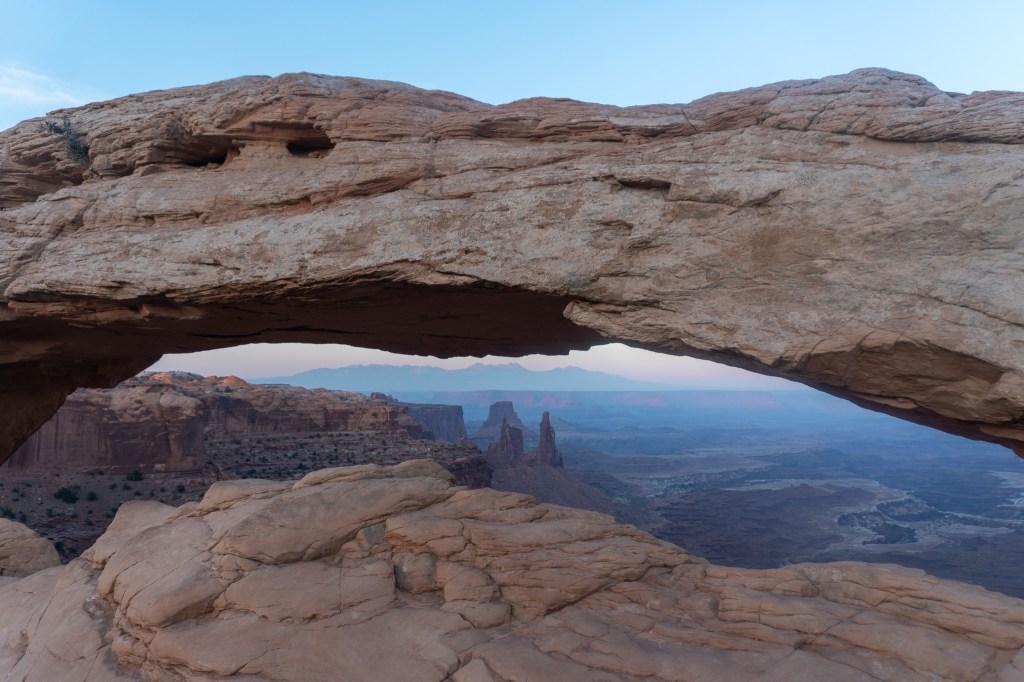
Why everyone skips Utah’s best national park
The Instagram problem: Canyonlands doesn’t have one iconic arch that fits perfectly in a square photo. What it does have is 527 square miles of canyons, mesas, and buttes that make you feel genuinely small in the best possible way.
The accessibility assumption: People assume that because Canyonlands is less developed, it’s harder to access. The truth is that Island in the Sky district has paved roads throughout, and the main viewpoints are shorter walks than most Arches trails.
The name recognition gap: Arches has been featured in countless movies and commercials. Canyonlands has been quietly protecting some of America’s most spectacular wilderness since 1964.
The real cost of red rock camping (with numbers)
Arches/Moab area for 3 nights:
- Moab RV parks: $45-65/night ($135-195 total)
- Park entrance fee: $30
- Moab groceries: $80+ (tourist pricing)
- Gas: $65 (limited stations, premium prices)
- Total: $310-370
Canyonlands area for 3 nights:
- Willow Flat Campground (in park): $15/night ($45 total)
- Park entrance fee: $30
- Monticello groceries: $45
- Gas: $50
- Total: $170
You’ll save $140-200 (40-55% less) choosing Canyonlands over Arches area camping.
Island in the Sky vs. Needles: which district wins for van life
Island in the Sky District:
- Best for: First-time visitors, shorter stays, remote work needs
- Camping: Willow Flat Campground (12 sites, $15/night)
- Cell service: Verizon and AT&T work well at campground
- Key viewpoints: Grand View Point, Mesa Arch, Upheaval Dome
- Van access: All paved roads, any size RV/van
Needles District:
- Best for: Longer stays, hiking enthusiasts, complete solitude
- Camping: Squaw Flat Campground (26 sites, $15/night)
- Cell service: Spotty to none
- Key features: Chesler Park, Druid Arch, extensive trail system
- Van access: Some dirt roads, but main campground is paved
Winner for most van lifers: Island in the Sky. You get the classic canyon views, reliable internet for remote work, and easy access to supplies in Moab if needed.
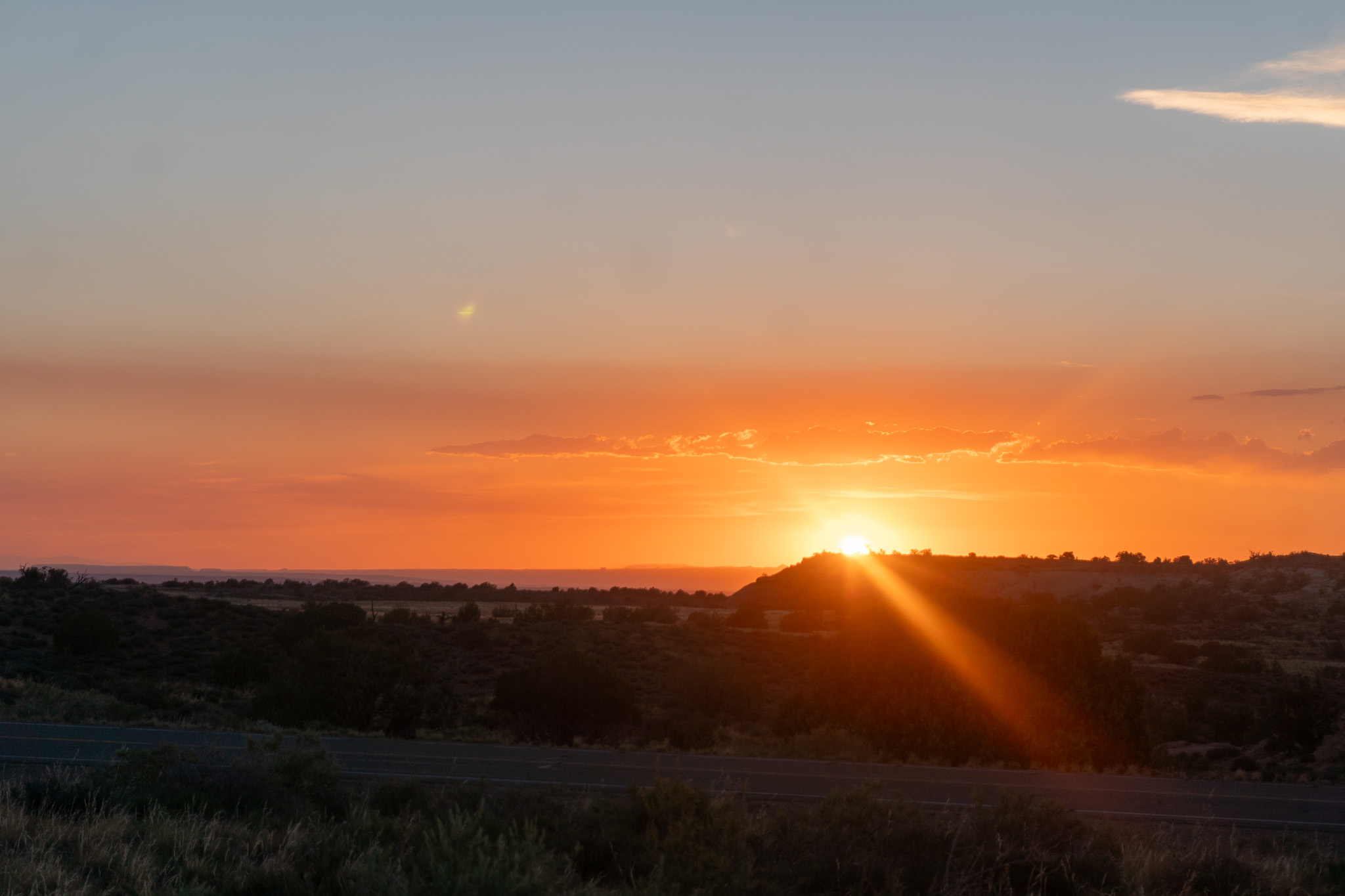
What Canyonlands teaches you about solitude
The crowd reality: At Grand View Point overlook (Canyonlands’ most popular spot), you might share the viewpoint with 5-10 other people during peak season. At Delicate Arch in Arches, you’ll share it with 50-100 people.
The timing advantage: Get up early and I promise the views and crowds will be less, no matter the season. Mesa Arch at sunrise is famous among photographers, but even then you’re talking about 20-30 people max, not the hundreds you’d encounter at popular Arches spots.
The space factor: Canyonlands is 4 times larger than Arches. Even if visitor numbers were equal (they’re not), you’d have 4 times more space to spread out.
Van life logistics that actually matter
Campground reality check:
- Reservation timing: Book 2-3 months ahead for spring/fall weekends
- Site sizes: Most sites accommodate 28-foot RVs easily
- Amenities: Restrooms, picnic tables, fire rings (no hookups)
- Dump station: Available at visitor center
- Water: Available at visitor center and campground
Generator policies:
- Allowed hours: 8 AM to 6 PM
- Quiet hours: Enforced but reasonable
- Solar reality: Excellent sun exposure for solar setups
Supply runs:
- Closest town: Moab (32 miles, 45 minutes)
- Better prices: Monticello (54 miles, 1 hour) for groceries
- Fuel: Available in both towns, significantly cheaper than Moab
Free camping alternatives:
- Check The Dyrt or iOverlander for free BLM camping spots near the park
- Many boondocking options within 30-45 minutes of park entrance
- Popular free areas fill up during peak season, so have backup spots identified
The connectivity situation for remote workers
Cell service breakdown:
- Willow Flat Campground: Verizon 3-4 bars, AT&T 2-3 bars
- Grand View Point: All carriers work well
- Needles District: Spotty coverage, plan accordingly
Internet backup plans:
- Starlink: Works excellently with clear desert skies
- Moab library: 45-minute drive for reliable WiFi
- Coffee shops: Several options in Moab with good WiFi
Seasonal strategy without the guesswork
Important note: We’ve only personally visited Canyonlands during summer, but we’ve researched extensively and gathered information from other van lifers about the other seasons. Here’s what to expect year-round:
Spring (March-May):
- Crowds: Lowest of the year
- Weather: 60-80°F days, 40-50°F nights
- Wildflowers: Peak in April
- Reservation difficulty: Moderate
Summer (June-August):
- Crowds: Moderate (still much less than Arches)
- Weather: 85-95°F days, 60-70°F nights
- Afternoon thunderstorms: Common, spectacular
- Reservation difficulty: Lowest
- Our experience: We visited in summer and found the heat manageable with early morning starts
Fall (September-November):
- Crowds: Higher but manageable
- Weather: 70-85°F days, 45-55°F nights
- Colors: Cottonwoods turn golden in canyons
- Reservation difficulty: Highest
Winter (December-February):
- Crowds: Nearly none
- Weather: 40-50°F days, 20-30°F nights
- Snow: Possible but roads usually clear
- Reservation difficulty: Walk-up availability common
Why Canyonlands wins for photographers
Golden hour advantage: Mesa Arch at sunrise is justifiably famous, but unlike Arches’ crowded spots, you can actually set up your tripod without fighting for space.
Variety of subjects: Three distinct districts mean three completely different landscape styles within one park.
Less processed look: Because fewer people photograph here, your shots won’t look like everyone else’s Instagram feed.
Better camping for gear: Large, level sites make it easy to organize and protect camera equipment.
What this park experience teaches you
Crowd management isn’t everything: Sometimes the best strategy isn’t finding ways to deal with crowds—it’s choosing places where crowds aren’t an issue.
Marketing doesn’t equal quality: The most promoted destinations aren’t always the most rewarding. Canyonlands proves that spectacular experiences often come from places that don’t need to shout about themselves.
Solitude has value: There’s something profound about experiencing natural beauty without constant human chatter, selfie sticks, and parking lot stress.
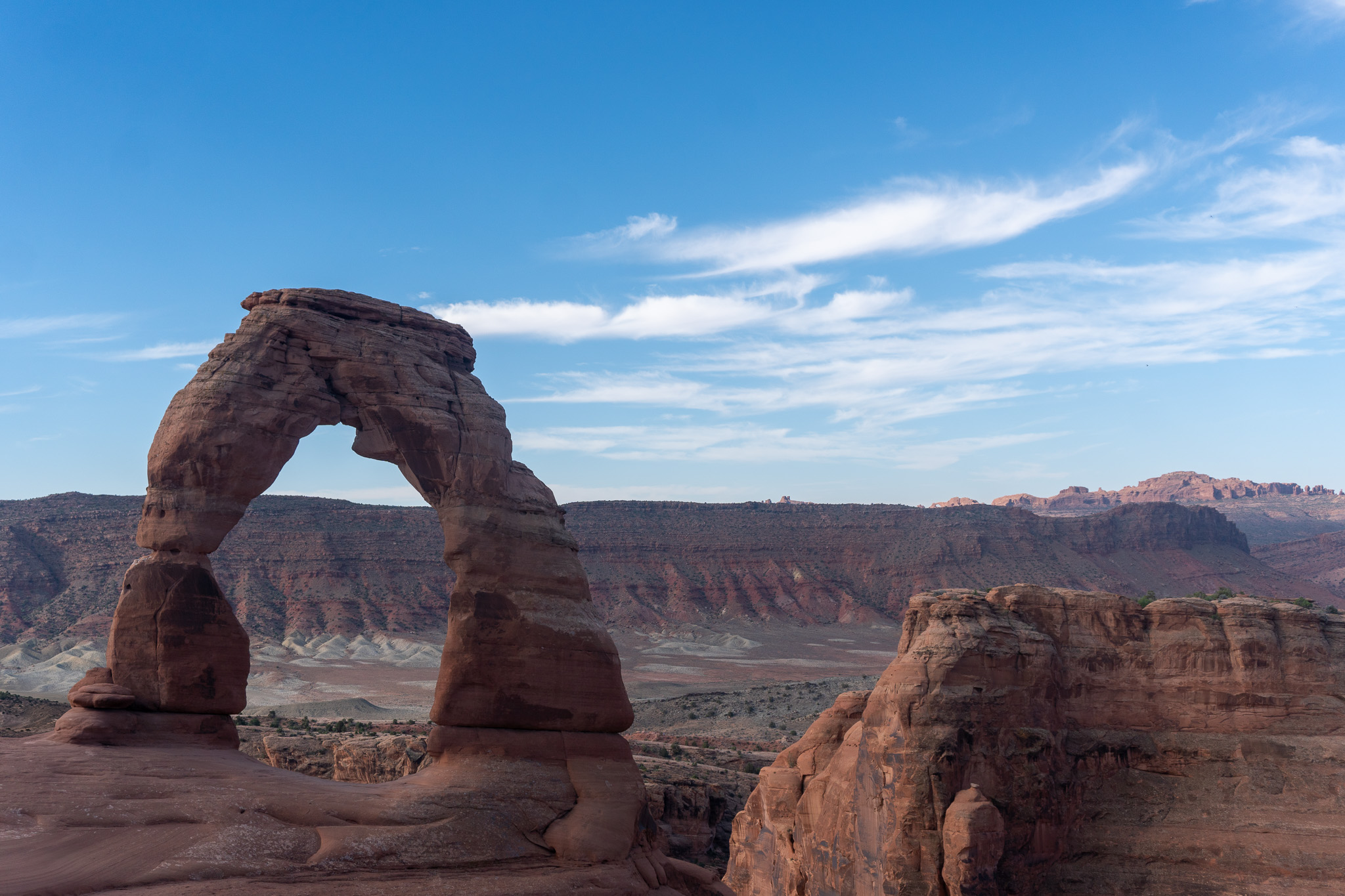

Why not do both parks?
Pro tip for early risers: While this blog focuses on Canyonlands, you don’t have to choose between the parks. If you get up early (before 7 AM), you can visit Arches without the timed entry requirements that kick in later in the day. Since the parks are only 30 minutes apart, you can experience both – just start with Arches early morning, then head to Canyonlands when the crowds arrive at Arches.
The honest downsides
Fewer iconic photo ops: You won’t get that perfect arch shot for Instagram. What you will get are sweeping canyon vistas that don’t fit in phone screens.
Less infrastructure: No restaurants, gift shops, or extensive visitor facilities. Pack what you need.
Longer drives between features: The park is huge. Plan for more driving time between major viewpoints.
Weather exposure: Desert conditions are real. Summer heat, winter cold, and afternoon thunderstorms require preparation.
Making the choice
Choose Canyonlands if:
- You want authentic solitude and wilderness experience
- You’re comfortable with basic camping amenities
- You prefer landscapes over individual rock formations
- You want to save money on accommodations
- You’re planning a longer stay (3+ days)
Choose Arches if:
- You want iconic, instantly recognizable photo opportunities
- You prefer more developed facilities and services
- You’re only staying 1-2 days
- You don’t mind crowds and higher costs
- You want easy access to Moab’s restaurants and shops
Getting started
For first-time visitors:
- Book Island in the Sky camping 2-3 months ahead
- Plan 3-4 days minimum to appreciate the scale
- Download offline maps before arriving
- Stock up on groceries in Moab or Monticello
- Check weather forecasts and pack accordingly
Don’t try to do it all in one day: We made the mistake of attempting to see everything in a single full day during our summer visit. The park is massive, and rushing through it means missing the contemplative experience that makes Canyonlands special. Split your visit into several days to properly appreciate each area.
Essential stops:
- Grand View Point for the classic canyon overview
- Mesa Arch for sunrise (if you’re into photography)
- Upheaval Dome for unique geology
- White Rim Overlook for sunset
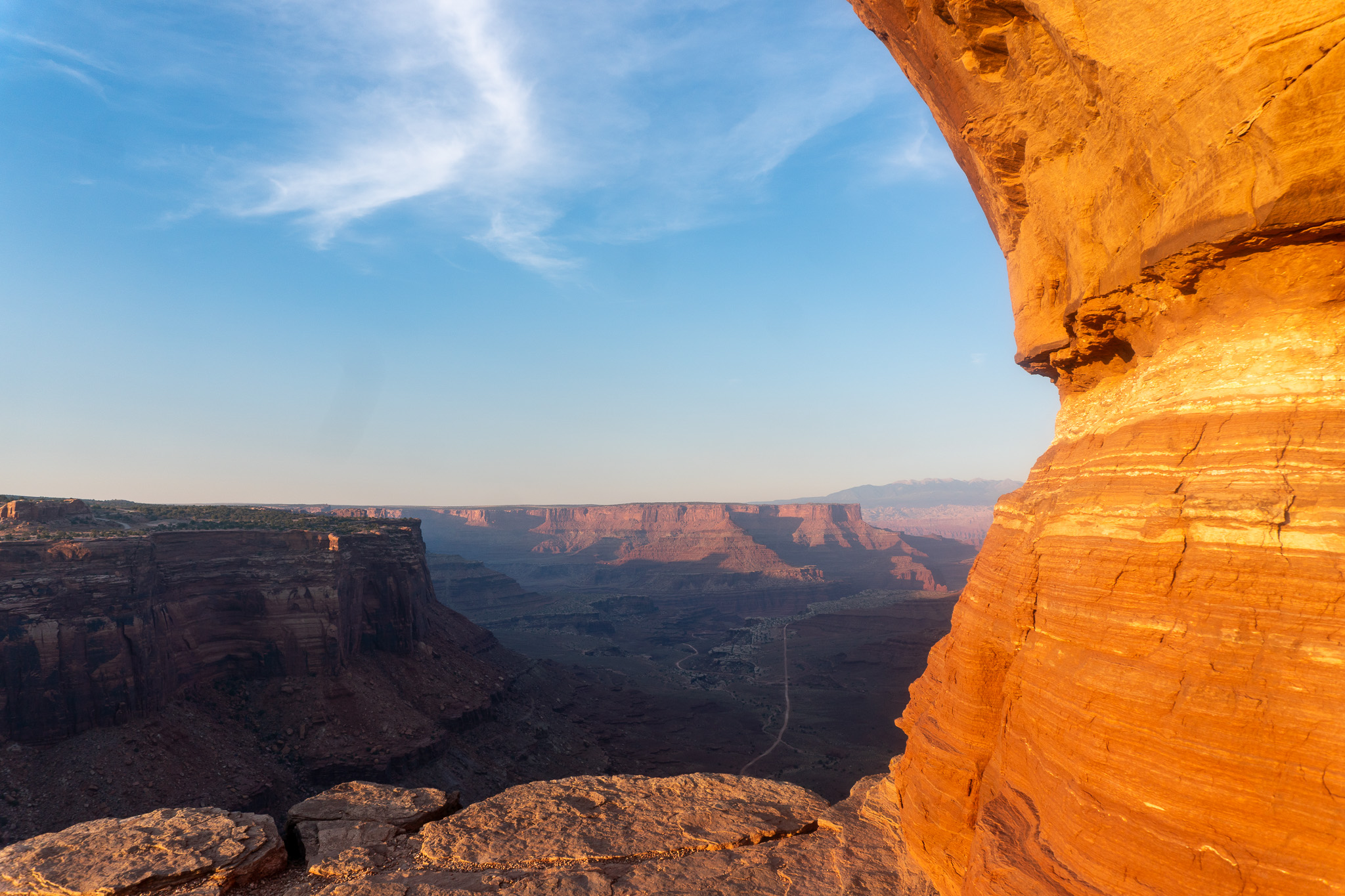
Van life in Utah’s national parks doesn’t have to mean fighting crowds and paying premium prices. Canyonlands offers everything you came to Utah to see—red rock landscapes, expansive views, and that profound sense of scale that makes you feel connected to something bigger than yourself. The difference is that here, you can actually experience it in peace.
Get up early, and I promise the views and crowds will be even better, no matter what season you visit. But honestly, at Canyonlands, you might find that even sleeping in gives you the solitude that early risers fight for everywhere else.
Have you been to Canyonlands? Which district surprised you most, and how did it compare to your expectations from Utah’s more famous parks?

 Wandering with Charlotte
Leave a comment